
Strategy, Target Operating Model and Value Realisation
Operating model design, supply chain segmentation for growth and service, financial-IBP integration and a Value Realisation Office that holds the programme to its numbers.
Explore pillar 1 →
Valtyx redesigns how planning, networks and plants run, then builds the agentic AI and machine learning layer that keeps the gains in place. Every engagement is built on five measurable levers: revenue growth, customer service, cost, working capital and planner productivity. Each starts from an agreed baseline and ends with benefits your CFO and CCO have signed off.
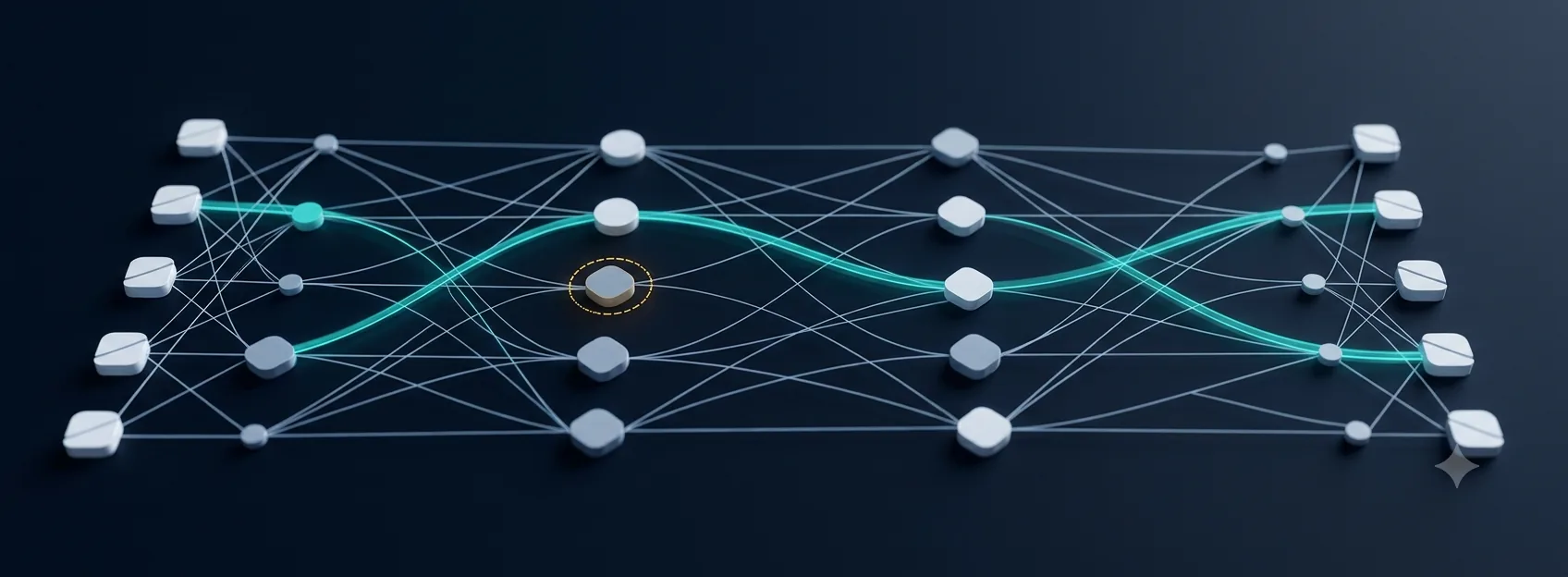
We do not sell hours. We agree the lever, the baseline and the owner before work starts, then track delivery against that line until it shows in reported results.
Recover lost sales, ramp new products faster and put availability behind the demand you want to win.
Higher OTIF and promise reliability, differentiated by customer and channel.
Lower cost-to-serve across network, logistics and plants, protected by service rules.
Inventory that sits where variability lives, not where habit put it.
More decisions per planner, with agents handling data work and routine exceptions.
Operating model design, supply chain segmentation for growth and service, financial-IBP integration and a Value Realisation Office that holds the programme to its numbers.
Explore pillar 1 →
IBP transformation and agentic AI planning on o9 and Kinaxis, with demand sensing, MEIO and digital twin scenario simulation, so availability follows demand and planners spend time on decisions.
Explore pillar 2 →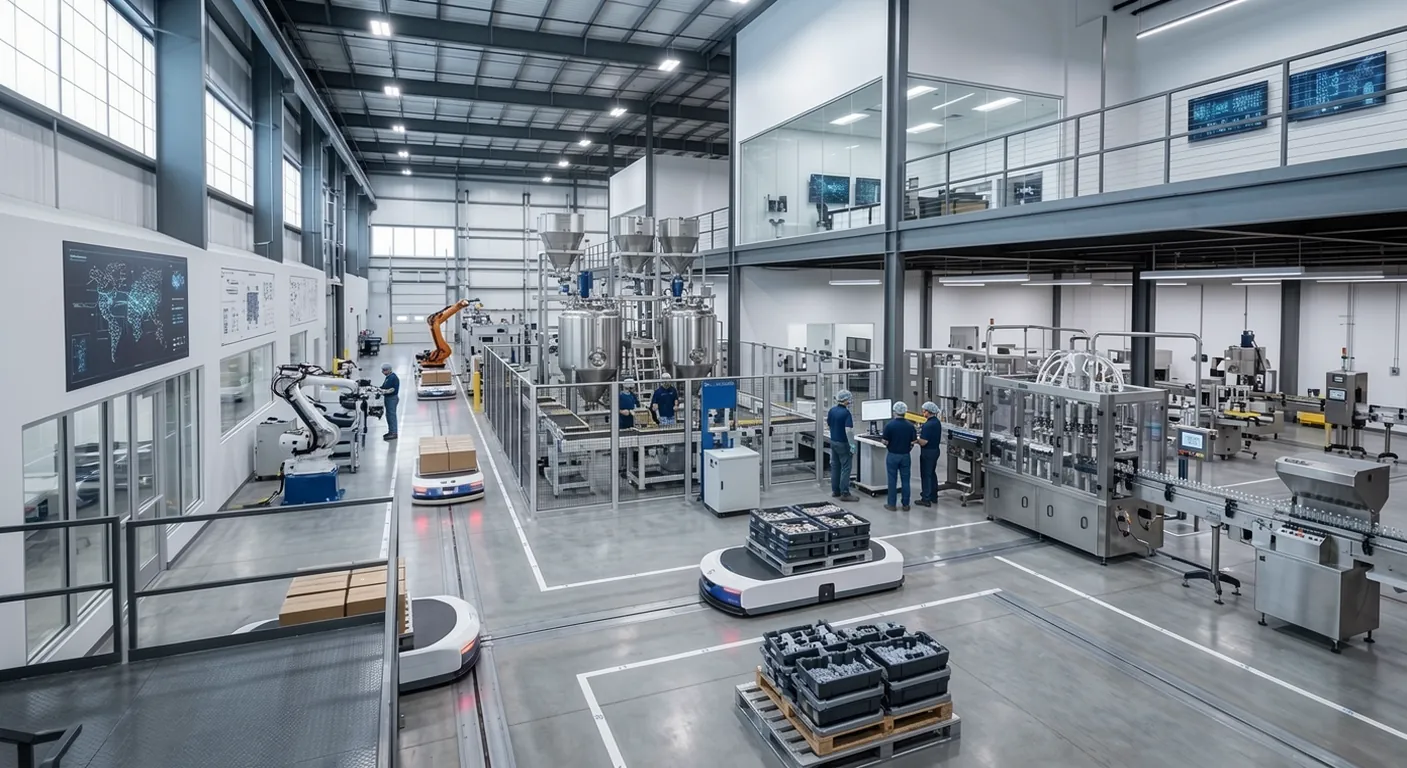
Machine-level OEE work, product mix optimisation, ML and deep learning forecasting, and lean plant execution that protects on-time delivery.
Explore pillar 3 →Most transformations lose their benefits between the business case and the ledger. The Value Realisation Office closes that gap with one owner, one baseline and one reporting rhythm.
Agree the value case line by line with Finance and Commercial. Fix the starting numbers.
Target operating model, process and decision rights, built around the value case.
Platform configuration and agentic workflows, released in measurable increments.
Benefits tracked in the planning cycle itself until they appear in reported results.
Lean, Six Sigma and IBP remain the foundation. We add AI to the specific steps where it shortens the cycle, widens the options considered or sharpens the forecast.
| Capability | Where it applies | P&L line |
|---|---|---|
| Agentic planning workflows | Exception triage, scenario preparation and consensus packs in the IBP cycle | Planner productivity, service level |
| ML and deep learning forecasting | Demand sensing, intermittent demand, new product and promotion effects | Revenue captured, inventory |
| Commercial analytics | Promotion, pricing and assortment effects fed directly into the demand plan | Revenue growth, margin |
| Digital twin simulation | Network, capacity and disruption scenarios before capital is committed | Service under disruption, capex avoided |
| Machine-level analytics | Loss classification, bottleneck diagnosis, product mix on constrained assets | OEE, cost per unit, margin |
Our founder has led selection and delivery on Kinaxis RapidResponse, o9 Solutions and Blue Yonder, and builds analytics in Python and R. Advice on platform choice stays vendor-neutral.
Concurrent planning and scenario work.
Knowledge-graph planning and IBP.
Demand, supply and fulfilment planning.
Forecasting, optimisation and simulation models.

We review your operating context, identify the two or three of the five levers, from revenue growth to planner efficiency, with the largest effect and outline what a baseline would involve. No cost, no slide deck.